
9mm ammo is a rimless, centerfire pistol cartridge defined by its 9x19mm Parabellum case, designed to feed reliably in semi-automatic handguns. Its value lies in a balance of manageable recoil, high magazine capacity, and proven terminal performance for self-defense and target shooting. When fired, the cartridge’s primer ignites propellant, sending a jacketed bullet at velocities that expand predictably upon impact. This combination makes 9mm ammo a versatile choice for both novice and experienced shooters seeking consistent accuracy.
Why This Cartridge Dominates the Shooting World
The 9mm cartridge dominates the shooting world because it delivers an optimal balance of controllable recoil, magazine capacity, and ballistic effectiveness for the vast majority of shooters. Its mild recoil allows for faster follow-up shots and more accurate sustained fire compared to larger calibers, making it superior for both novice and expert marksmen. The case dimensions permit double-stack magazines, offering higher round counts in the same grip size as less powerful cartridges. Modern bullet technology pushes 9mm terminal performance to rival .40 or .45 ACP, while generating less muzzle flip and wear on the firearm.
This combination means shooters can practice more affordably, carry more rounds, and shoot more accurately—the three factors that make 9mm the practical standard for defensive, competitive, and recreational shooting.No other round offers this same synthesis of traits, cementing its universal adoption.
What Makes the 9mm Luger So Widely Adopted for Self-Defense and Sport?
The 9mm Luger’s dominance in both self-defense and sport stems from a practical balance of controllable recoil and terminal effectiveness. For defenders, it delivers adequate penetration and expansion through clothing or barriers, while its manageable muzzle flip allows fast, accurate follow-up shots—critical in high-stress encounters. In sport, this translates to tighter shot groups during rapid fire and less fatigue over long practice sessions. The cartridge’s compact dimensions also enable higher magazine capacities in handguns, a trait valued in both competitive stages and defensive reloads. Its adoption follows a clear logic: versatility in bullet weights (115–147 grain) lets shooters tune for low recoil or deep penetration without changing platforms.
- Assess target: self-defense demands reliable expansion; sport demands precision at speed.
- Select bullet weight—lighter for sport, heavier for barrier penetration.
- Train with duty ammo to verify point-of-impact consistency.
Comparing Recoil, Magazine Capacity, and Cost Against Other Popular Rounds
When comparing 9mm against .40 S&W or .45 ACP, recoil is noticeably softer, allowing faster follow-up shots and less shooter fatigue. This manageable impulse also enables higher magazine capacity—typically 15–17 rounds in a full-size pistol versus 10–13 in .40 or 8–10 in .45—offering more firepower before reloading. Cost further separates it: 9mm practice ammunition routinely runs 20–40% cheaper per round than .40 S&W or .45 ACP, and surplus or bulk options widen that gap. Over a year of regular training, those savings fund extra range time or gear, making 9mm the most economical and practical choice for defensive and competitive use alike. Comparing recoil, magazine capacity, and cost against other popular rounds shows a clear advantage in every metric.
- Lower recoil impulse cuts recovery time, improving accuracy in rapid strings.
- Higher capacity—often 5–7 more rounds than .45 ACP—extends engagement endurance.
- Per-box savings of $5–$10 versus 7mm WSM Ammo for Sale .40 S&W add up to hundreds annually.
The Real Difference Between 9mm Luger, 9x19, and 9mm Parabellum
The truth is there is no difference between 9mm Luger, 9x19, and 9mm Parabellum—they are the exact same cartridge. The name "9mm Luger" honors Georg Luger’s design, while "Parabellum" comes from the German motto *Si vis pacem, para bellum*, and "9x19" simply describes the bullet’s 9mm diameter and 19mm case length. This interchangeability means any box labeled with one of these names will function in your firearm marked for another. The only practical distinction is historical branding, not ballistic performance or dimensions. When buying ammo, focus on the load weight and velocity, not the label, because all three names guarantee identical specifications for safe, universal use.
Understanding Bullet Weights and What They Do for Your Shooting
Understanding bullet weights in 9mm ammo directly shapes your recoil impulse, point of aim, and terminal performance. Heavier projectiles like 147-grain loads produce a softer, slower push and often cycle more reliably in suppressed or competition pistols, while 115-grain rounds snap quicker with more perceived recoil and a flatter trajectory at typical defensive distances. The 124-grain weight serves as a practical middle ground, Ammunition for Sale balancing felt recoil and velocity for most shooters. Your gun’s barrel twist rate and spring tension interact with these weights, so test a few to confirm function.
Choosing a weight is about matching your pistol’s mechanical behavior to your shooting goal—not about finding a universal “best” load.For target practice, lighter loads reduce fatigue; for self-defense, heavier hollow points often expand more reliably through barriers.
Choosing Between 115, 124, and 147 Grain Projectiles for Your Needs
When choosing between 115, 124, and 147 grain projectiles for your needs, think about what you’re actually doing at the range. Lighter 115-grain loads feel snappy and are great for quick, cheap practice, while 124-grain offers a balanced middle ground—often the most reliable in a wide range of pistols, making it a solid all-around pick. Heavy 147-grain rounds are subsonic, giving you a softer, push-like recoil impulse that’s ideal for suppressed shooting or slow-fire accuracy drills. For defensive use, many shooters prefer the deeper penetration of 124 or 147 grain, but always test your specific gun. Your pistol’s recoil spring and barrel twist rate will dictate which weight feeds flawlessly, so buy a box of each and observe your point of impact shifts.
Q: Which grain weight is best for a first-time 9mm shooter?
A: Start with 124 grain—it’s the Goldilocks option, taming recoil better than 115s while staying snappier than 147s, which can feel mushy and cause short-stroking in some compact guns. You’ll get consistent cycling and less flinch while you build fundamentals.
How Bullet Weight Affects Recoil Perception, Muzzle Flip, and Follow-Up Shots
In 9mm, bullet weight directly dictates how the gun’s energy transfers into your hands. Lighter 115-grain loads burn powder faster, producing a snappy, sharp impulse that feels harsher and kicks the muzzle up more abruptly. Heavier 147-grain rounds push more gently, spreading recoil over a longer duration—this softer, rolling shove keeps the front sight tracking flatter and returns to zero quicker. For competition or defensive shooting, heavier bullets dramatically reduce muzzle flip, allowing faster and more accurate follow-up shots. Rifle Ammo for Sale Conversely, light bullets force you to muscle the gun back on target, slowing your split times and increasing perceived recoil despite lower actual force.
- 115-grain: snappy kick, higher perceived recoil, slower follow-ups.
- 124-grain: balanced middle ground with moderate flip.
- 147-grain: smooth push, reduced flip, fastest sight recovery.
Matching Grain Weight to Your Pistol’s Barrel Twist Rate for Better Accuracy
Your pistol’s barrel twist rate—usually 1:10 for 9mm—determines how fast a bullet spins, and heavier 147-grain rounds need that spin to stabilize just as much as lighter 115-grain loads. If you shoot a slow-twist barrel, stick to lighter bullets; a faster 1:7 twist can handle heavier grains without keyholing. A properly matched grain weight for your twist rate tightens group sizes and prevents erratic flight. Test a few boxes at the range: if your 124-grain ammo produces clean, round holes, you’re set. Don’t overcomplicate it—your barrel’s rifling tells you what it likes.
Match your 9mm bullet weight to your barrel’s twist rate to avoid instability and shrink groups—test and see what your rifling prefers.
Breaking Down Bullet Types for Every Purpose
For 9mm ammo, bullet type dictates terminal performance more than any other factor. Full metal jacket rounds offer reliable feeding and deep penetration, making them ideal for range practice and competition where barrier defeat matters. Jacketed hollow points are the definitive choice for self-defense, expanding reliably in gel and tissue to dump energy and reduce over-penetration risk. For barriers or heavy clothing, bonded hollow points or solid copper monolithic rounds maintain weight and track straight, while flat-nosed or truncated cone bullets excel in subguns and suppressors due to their consistent chambering. Yet, even a perfect bullet design fails if your specific pistol’s feed ramp and barrel twist don’t stabilize it. Choose your 9mm bullet based on the job—target, defense, or barrier—then verify function with at least 100 rounds before trusting it.
Full Metal Jacket vs. Hollow Point: When to Use Each at the Range or for Protection
For 9mm range sessions, full metal jacket rounds are your clear choice because their hard, lead-core design feeds reliably, resists deformation, and keeps training costs down. Hollow points, however, are strictly for protection, as their expanding nose creates a larger wound channel while reducing over-penetration risk in home-defense scenarios. Shotgun Ammo for Sale Reserve hollow points for your carry magazine, not paper targets, since they can fragment unpredictably against steel and are far pricier. *That said, if your defensive gun doubles as your range gun, shoot a few magazines of your chosen hollow point to confirm point-of-aim matches, then switch back to FMJ for volume practice.* Follow this sequence:
- Pick FMJ for drills and zeroing.
- Switch to hollow points for reliability testing.
- Load hollow points for carry, keep FMJ for practice.
Understanding Jacketed Hollow Point Expansion and Why It Prevents Over-Penetration
The core of jacketed hollow point expansion lies in its hydraulic effect upon entering soft tissue. The hollow cavity fills with fluid, creating internal pressure that forces the jacket petals to peel outward, approximately doubling the bullet’s diameter. This rapid expansion increases drag dramatically, which is precisely why it prevents over-penetration. Instead of a full-metal-jacket round that slices through a target and exits, a JHP’s mushroomed shape catches tissue, decelerating it rapidly and transferring all its energy. Consequently, the projectile typically stops inside the target or exits with negligible velocity, reducing the risk of striking bystanders or objects beyond the intended threat. This reliable energy dump makes 9mm JHPs the defensive standard for controlled penetration.
Specialty Loads: Frangible Rounds, Flat Nose, and Subsonic Options Explained
For shooters seeking specialty 9mm loads that solve specific problems, frangible rounds, flat nose bullets, and subsonic options each serve a distinct tactical or training role. Frangible 9mm ammunition disintegrates upon impact with hard surfaces, drastically reducing ricochet risks during steel-plate competitions or close-quarters drills. Flat nose profiles deliver a full-caliber wound channel and feed reliably in modern pistols, making them a smart choice for defensive carry where expansion may be inconsistent. Subsonic 9mm loads, typically 147-grain or heavier, stay below the speed of sound 6.5 Creedmoor Ammo for Sale for quiet operation with a suppressor and offer softer recoil for faster follow-up shots. Select frangible for safety, flat nose for penetration, or subsonic for stealth.
Key Performance Factors to Check Before You Buy a Box
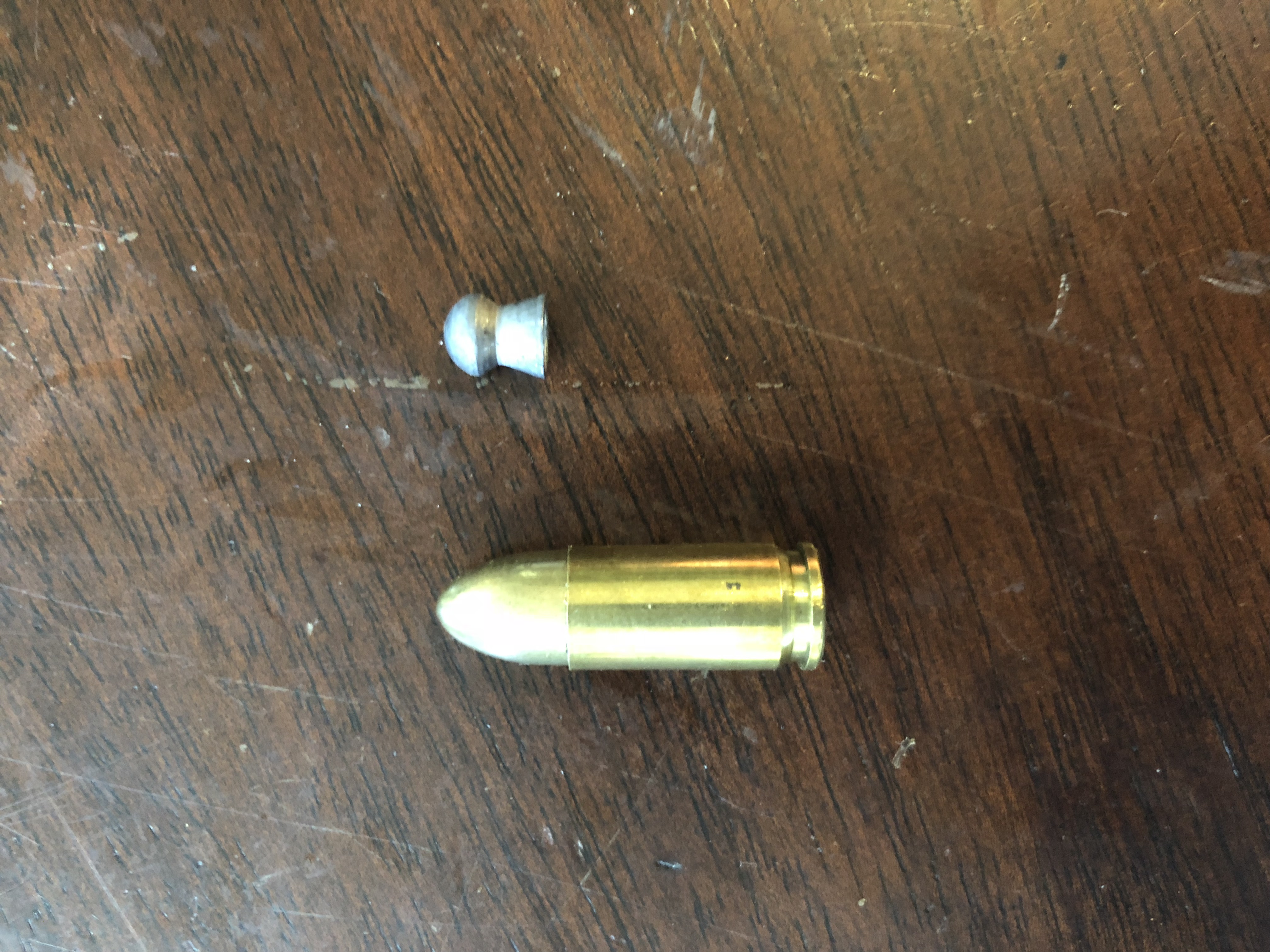
You’re at the counter, 7mm-08 Ammo for Sale box in hand, and the first thing to verify is the **9mm ammo load weight**. A 115-grain round feels snappy in a compact pistol, while 147-grain subsonic loads run smoother through a suppressor—mismatch that with your firearm’s recoil spring and you’ll get stovepipes. Next, check the bullet profile: flat-nose rounds feed reliably in Glocks, but hollow points can jam in tight ramps. Finally, look at the primer and case headstamp—reboxed surplus often shows corroded primers that hang-fire, while fresh brass with a clean crimp cycles every time. If you’re carrying for defense, test a few boxes at the range first; a **key performance factor** like consistent muzzle velocity only matters if it holds zero in your specific barrel. Don’t leave the store guessing—rack one round manually and feel the extraction resistance.
How Muzzle Velocity and Muzzle Energy Translate to Real-World Terminal Performance
Muzzle velocity and muzzle energy only matter insofar as they dictate how a 9mm bullet behaves upon impact. Higher velocity promotes earlier expansion and deeper temporary cavitation, yet real-world terminal performance hinges on the projectile’s ability to retain that energy through tissue. A 115-grain load at 1,200 fps may fragment violently, while a 147-grain subsonic round at 950 fps often penetrates deeper due to momentum conservation. Energy figures alone mislead—a flat-nosed FMJ with high energy can over-penetrate without transferring force, whereas a bonded JHP that expands reliably converts velocity into a larger permanent wound channel. Ultimately, test your chosen load in ballistic gel, not charts, because barrier interaction and bullet construction alter how velocity and energy translate into stopping power.

Reading the Box: What Do Casing Material, Primer Type, and Pressure Ratings Mean?
The box tells you everything you need to know before loading a magazine. Casing material—brass, nickel, steel, or aluminum—dictates reloadability and extraction reliability; brass is the smoothest, while steel is cheaper but harsher on extractors. The primer type (boxer vs. berdan) matters only if you reload—boxer is the standard for easy depriming. Pressure ratings, whether standard pressure or +P, directly affect velocity and felt recoil; +P means higher chamber pressure, so verify your pistol is rated for it. A quick checklist:
- Check casing for corrosion or dents.
- Confirm boxer primers for reloading.
- Match pressure rating to your firearm’s specs.
The Importance of Consistent Velocity for Feeding Reliability in Semi-Automatic Pistols
For a semi-automatic pistol to cycle reliably, slide velocity must fall within a narrow functional window. Ammunition with consistent 9mm velocity ensures the slide has enough energy to strip the next round and fully compress the recoil spring, yet not so much that it outruns the magazine follower’s upward feed Rimfire Ammo for Sale timing. Erratic velocity—whether from powder lot variations or inconsistent bullet seating depth—causes either weak ejection (stovepipes) or premature slide return, which slams the breechface into the next cartridge before it has fully risen. That misalignment produces nosedives and rim jams. A box with tight velocity standard deviation (SD under 15 fps) delivers predictable cyclic timing, allowing the feed ramp to guide each round cleanly into chamber.
Practical Tips for Storing, Handling, and Getting the Most Out of Your Rounds
Store 9mm ammo in a cool, dry environment—ideally below 75°F with under 50% relative humidity—to prevent primer corrosion and powder degradation. Keep rounds in their original factory boxes or a sealed ammo can with desiccant packets; avoid loose bulk storage that invites dents or rim damage. When handling, inspect each cartridge before loading: check for cracked cases, recessed primers, or bullet setback from repeated chambering. Rotate your carry ammunition every 6–12 months, shooting through the old stock at the range rather than discarding it, to ensure reliable feeding and consistent ballistics. For maximum accuracy and function, match bullet weight to your barrel twist rate—typically 115–124 grain works best in most 9mm pistols—and avoid mixing brands in a single magazine. Finally, cycle your stored rounds occasionally to prevent bullet pull from recoil vibration.
How to Properly Store Loose Ammo in Bulk Without Degrading Primer or Propellant
For bulk 9mm, skip factory boxes and use **airtight, sealed ammo cans** with desiccant packs to block humidity, the primary enemy of primers and powder. Keep the cans in a cool, stable environment below 75°F, as extreme heat accelerates propellant breakdown and degrades primer compound. Avoid storing loose rounds in soft bags or cardboard, which allow moisture intrusion and expose ammunition to temperature swings. Rotate your stock, using older rounds first, and never oil the rounds themselves—lubricants seep past the primer and bullet, killing ignition reliability. Check every few months for corrosion or powdery residue, and reseal immediately. Properly stored, bulk 9mm stays dependable for decades.
Store specialty sports bulk 9mm in airtight cans with desiccant, in a cool, stable place, rotating stock—moisture and heat degrade primer and propellant, so seal them out to preserve reliability.
Spotting Safe and Unsafe Loads: What to Check for Visible Damage or Setback
Before loading your 9mm, inspect each round for visible damage or setback. Check the case mouth for cracks, dents, or a bullet that sits deeper than the crimp line—setback occurs when the projectile is pushed into the casing, often from repeated chambering. Examine the primer for punctures, craters, or missing compound, and scan the case wall for corrosion, green patches, or splits. Discard any round with a loose bullet that twists easily. A slightly tarnished case may still fire, but any structural flaw compromises pressure integrity. Follow a quick sequence:
- Inspect the bullet seating depth against a known good round.
- Run a finger over the casing for dents or sharp edges.
- Verify the primer is flush or slightly recessed, not protruding.
Mixing Different Brands in One Magazine: Is It a Problem During a Single Practice Session?
Mixing different brands in one magazine is rarely a functional problem during a single practice session, provided your 9mm pistol cycles reliably with each load. Variations in bullet weight, powder charge, and case length can shift point of impact slightly, but for drills focused on grip, trigger control, and reloads, these differences are negligible. **The real risk is masking a genuine malfunction**—if a round fails to feed, you won’t know if it’s the gun, the magazine, or that specific brand, wasting valuable diagnostic time. For pure repetitions, it’s safe; for accuracy work, stick to one lot.
Q: Is 6.5 PRC Ammo for Sale mixing brands in one magazine a problem during a single practice session?
A: Only if you’re zeroing or testing reliability—otherwise, no. The gun will likely cycle fine, but you lose the ability to isolate a failure source, so keep mixed mags for casual blasting, not serious evaluation.